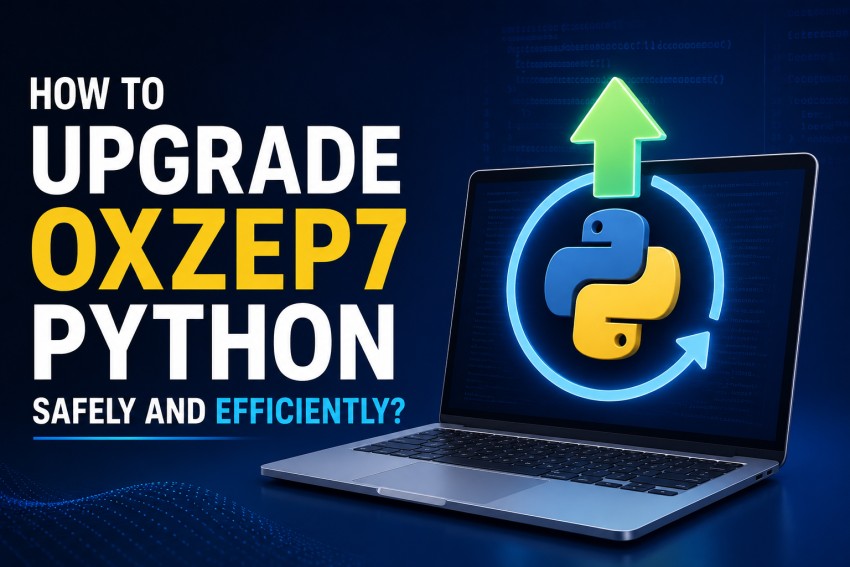
Keeping your software up to date is essential for maintaining performance, security, and compatibility. If you’re trying to upgrade OXZEP7 Python, it helps to take a structured approach, so you don’t trip over the usual stuff. Whether you’re a developer, system administrator, or just a tech enthusiast, getting how the upgrade process works matters a lot for keeping your projects and day-to-day workflows safe.
Why Upgrade OXZEP7 Python?
There are a bunch of reasons people decide to upgrade OXZEP7 Python. New releases often bring security patches, address bugs, improve speed, and also enhance compatibility. When you stay current, it’s easier to keep your apps running smoothly and still play nice with modern tools and libraries.
If your Python environment is behind, your system might be more exposed to vulnerabilities, or you may lose access to the latest development features. Doing regular upgrades can reduce those headaches and, at the same time, boost your overall productivity a bit, without too much drama.
Prepare Before You Upgrade
Before starting the upgrade process, you want to get your environment sort of sorted first. Begin by looking over the current OXZEP7 Python version and see which applications or dependencies might actually rely on it.
You should also make backups of the important files, your project data, and all configuration settings. This precaution gives you a way back if weird issues show up during or even after the upgrade, and it’s usually worth it.
On top of that, skim the release notes for the new version. Try to catch potential shifts, deprecated features, or compatibility concerns. Sometimes those notes save you a lot of time later.
OXZEP7 Python Upgrade Checklist
| Upgrade Step | Purpose | Recommended Action |
|---|---|---|
| Check Current Version | Understand your existing setup | Verify the installed OXZEP7 Python version and review dependencies |
| Create Backups | Prevent data loss | Back up project files, configurations, and important data |
| Review Release Notes | Identify changes and risks | Read documentation for new features, deprecated functions, and compatibility updates |
| Verify Compatibility | Avoid application failures | Confirm that libraries, frameworks, and tools support the new version |
| Perform Upgrade | Install the latest version | Follow official upgrade instructions and monitor installation messages |
| Test Applications | Ensure everything works correctly | Run scripts, applications, and integrations after the upgrade |
| Monitor Performance | Detect potential issues | Check logs, error reports, and system performance metrics |
| Maintain Regular Updates | Improve long-term stability | Schedule routine updates and keep documentation current |
Check Compatibility Requirements
One of the most crucial parts when you upgrade OXZEP7 Python is confirming it will behave well with what you already have. A few libraries and frameworks may need updates so everything keeps working properly with newer Python versions.
Go through your critical applications, verify they support the version you plan to install. Solving compatibility concerns before the upgrade can also reduce downtime, and it tends to cut down on the “why is this broken” troubleshooting later.
Perform the Upgrade Carefully
When you upgrade OXZEP7 Python, it’s best to follow the official installation and upgrade guidance from the maintainers; don’t just wing it. Take your time a bit, and look at each step before moving forward.
During the process, keep an eye on the installer output, especially warnings or little notifications that feel “small” but might later matter. Also, write down what changed, like versions and configs, so troubleshooting later doesn’t become a pain.
Test Your Environment After the Upgrade
When the upgrade is done, go ahead and test everything in a proper way. Make sure that apps, scripts, and their dependent libraries all behave the way you expect.
Watch for performance drops, odd error messages, and any integration points that were already touchy. If something acts up, check the logs first, then consult the documentation to track down the real cause. Comprehensive testing helps keep the upgraded environment stable and trustworthy, longer term.
Best Practices For Long-Term Success
If you want a stable Python environment, set up some kind of routine update schedule and keep an eye on what comes next in the releases. Just staying up to date on security patches and new feature improvements helps you plan the upgrade earlier, instead of dealing with those sudden urgent problems later.
Also, don’t skip the practical stuff like keeping your documentation clean, making backups regularly, and maintaining a solid testing procedure. That combination can lower the risks that usually show up when you upgrade later on
Conclusion
Going ahead and upgrading OXZEP7 Python is a major move if your goal is stronger security, better performance, and smoother compatibility with other software. If you prepare properly, verify compatibility, follow the recommended procedures, and then test your environment after the change, you can finish the upgrade with a lot less drama and still do it efficiently. A planned upgrade approach supports long-term stability while still letting you benefit from the latest Python improvements. For more technology insights and practical guides, readers can also explore resources available on BrumeBlog.com.
Frequently Asked Questions (FAQs)
What does it mean to upgrade OXZEP7 Python?
Upgrading OXZEP7 Python involves updating your existing Python environment to a newer version that includes security fixes, performance enhancements, and new features.
Why should I upgrade OXZEP7 Python?
Upgrading helps improve security, maintain compatibility with modern software, and provide access to the latest development tools.
Can upgrading OXZEP7 Python affect my existing projects?
Yes, some projects or dependencies may require updates to remain compatible with newer Python versions.
BrumeBlog.com explores future technology, AI, cybersecurity, digital innovation, gadgets, and emerging trends, delivering insightful content that helps readers stay ahead.